
GPT Image 2.6
Give your next image a clear creative direction, from product scenes to expressive layouts and thoughtful edits. GPT Image 2.6 has not launched yet. We'll bring it to Veo 3 as soon as it is released.
Reference imageDescribe the video you want to create…What is GPT Image 2.6?
GPT Image 2.6 belongs to the GPT Image family of image models. A useful creative brief starts with the picture you want to make: the subject, its surroundings, the visual style and the details that matter. Build a product scene, compose a graphic layout or develop an illustrated world around a clear idea.
GPT Image 2.6 prompt examples
Start with a small, complete brief. Explore three directions for your next image: a product photograph, an event poster and a paper-built world. Adapt the prompts to your own subject, palette and creative direction.
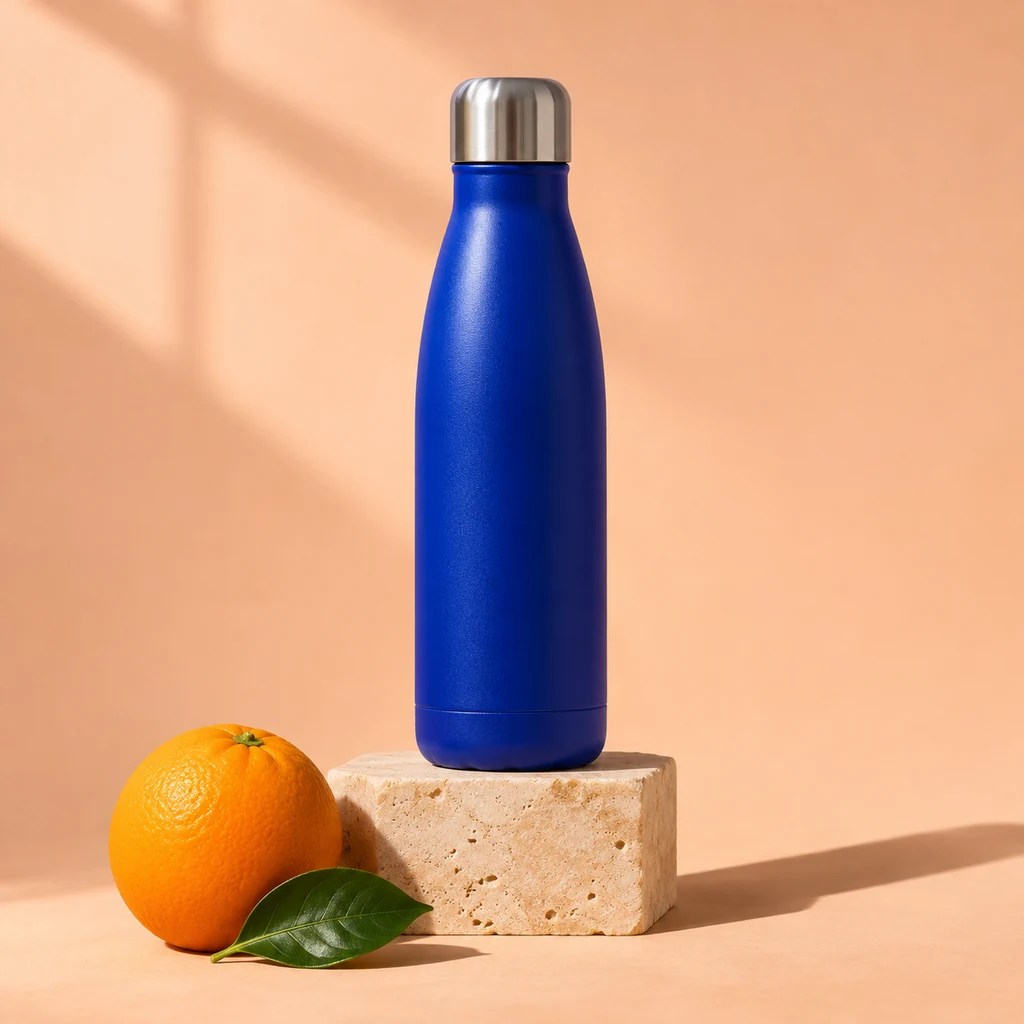
A product with room to breathe
Photograph an unbranded cobalt blue reusable bottle with a brushed silver cap on a small limestone plinth. Place one orange and a single citrus leaf beside it. Use a pale apricot background, soft window light and a natural shadow. Keep the composition simple and the materials realistic. Square image, no text.
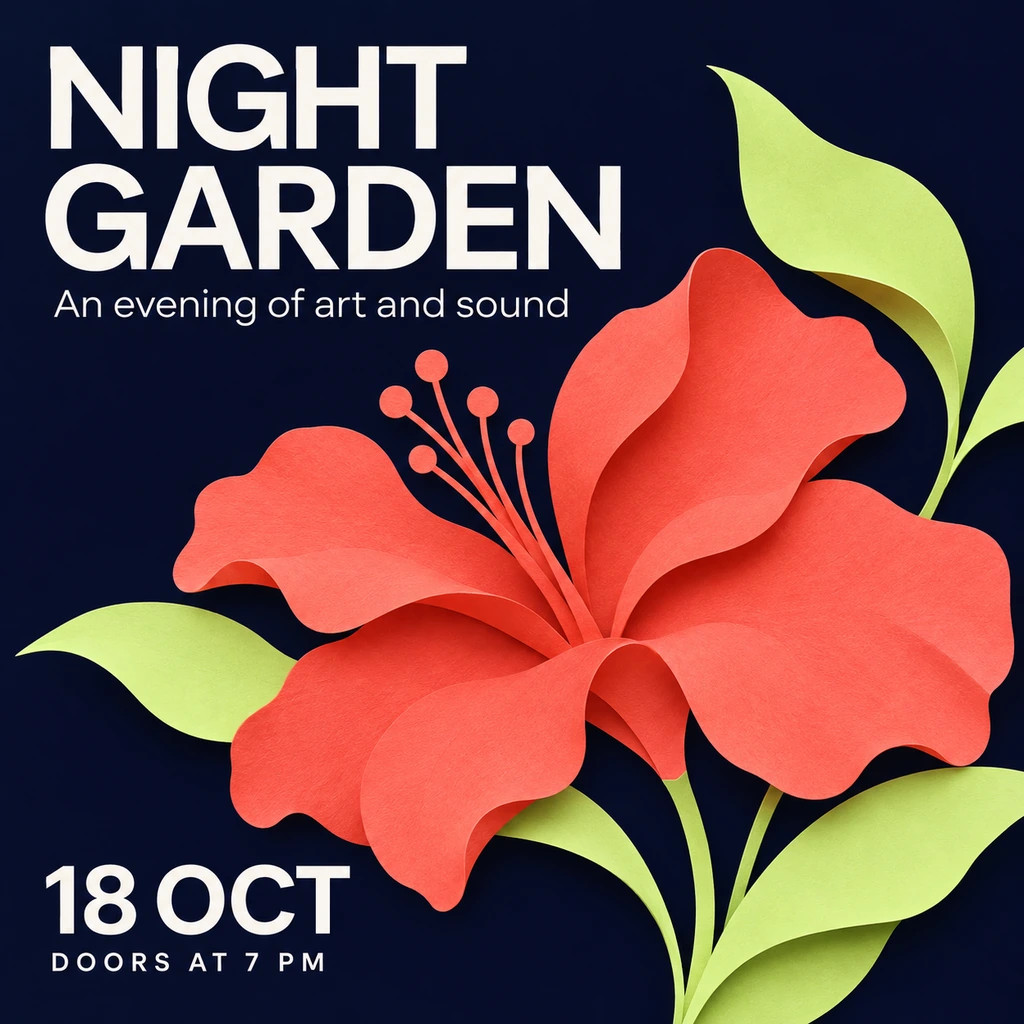
A poster built around a headline
Design a square poster for a fictional arts evening called NIGHT GARDEN. Use a midnight navy background, a sculptural coral flower and small lime-green accents. Set the headline in large, clear type. Add the subtitle An evening of art and sound, the date 18 OCT and the line DOORS AT 7 PM. Give each line its own space and keep the layout easy to read.
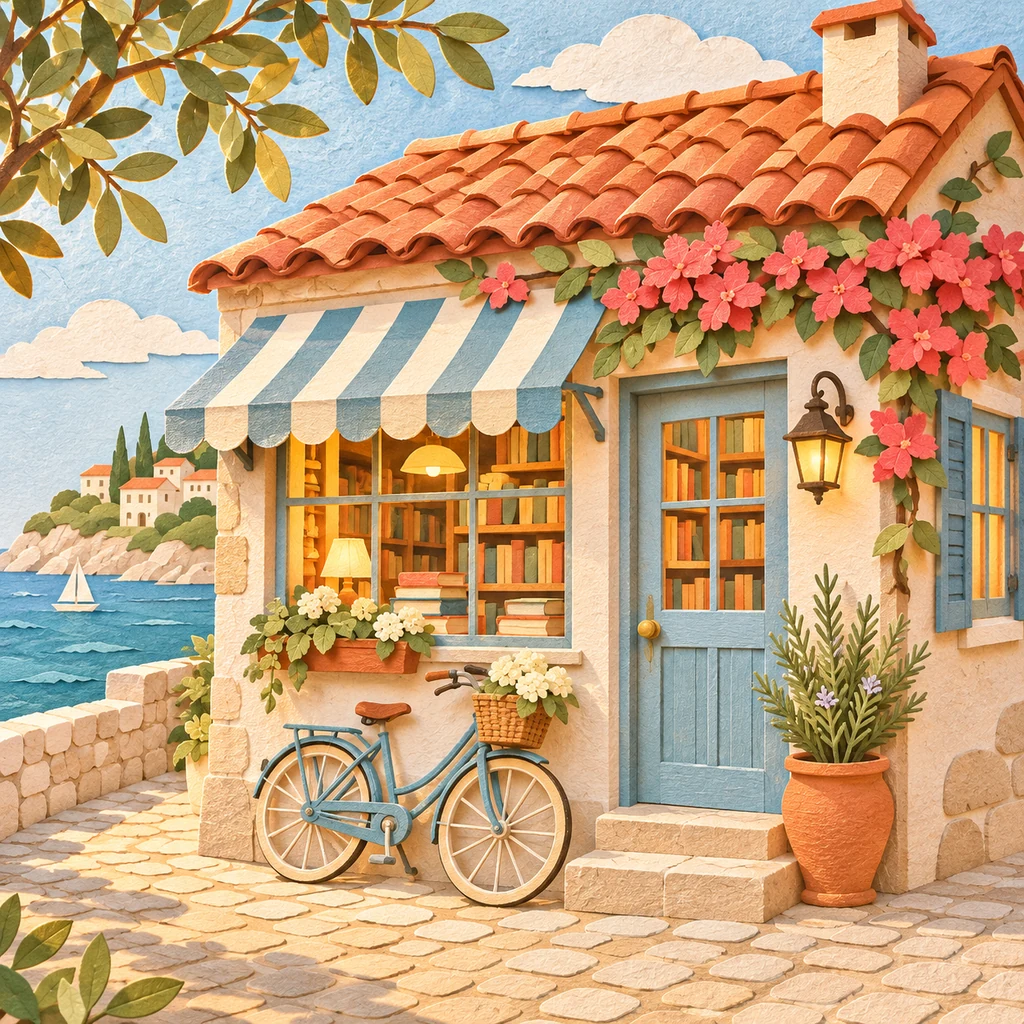
A place made from paper
Build a tiny coastal bookshop as a layered paper-cut illustration. Give it a powder blue door, a terracotta roof, a striped awning and a warm yellow window. Add potted rosemary and one bicycle resting against the wall. Show subtle paper fibers and soft afternoon shadows. Use a three-quarter view with a calm, welcoming mood. No lettering.
How to use GPT Image 2.6
From your first idea to a finished image in three steps.
Workflow illustration Choose your model
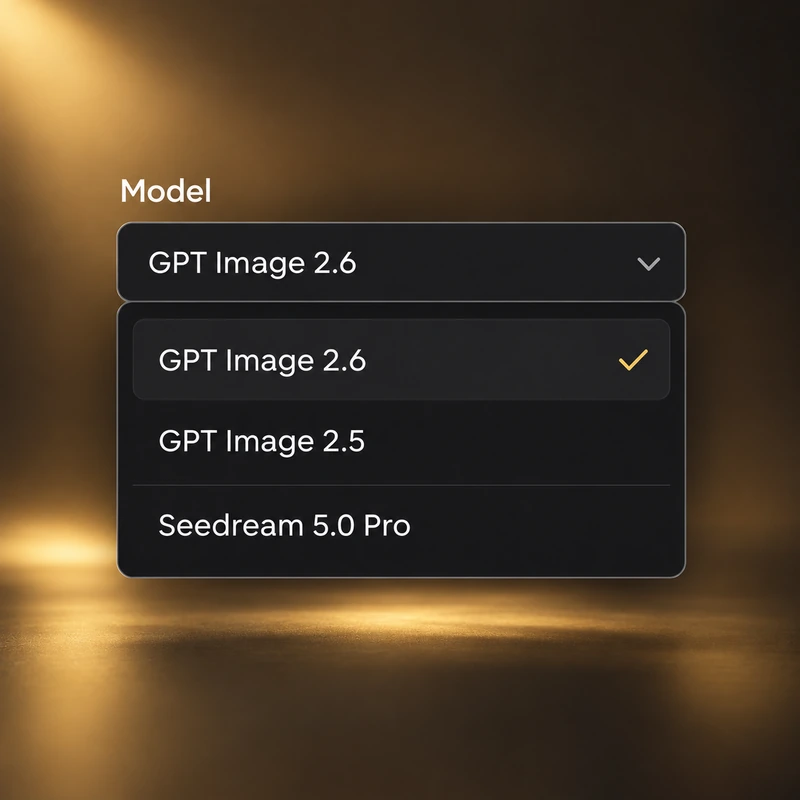
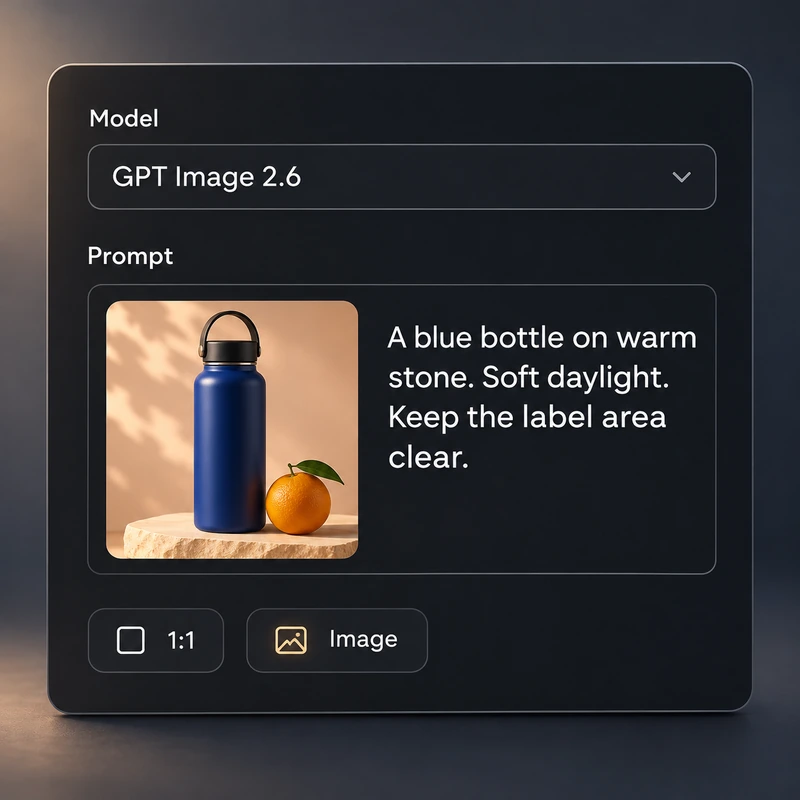
Open the image generator and select GPT Image 2.6 from the model menu. Start with a written brief for a new composition, or add a source image to develop an existing visual.
Workflow illustration Describe the image
Explain the subject, composition, light and visual style in everyday language. Give reference images a clear role, such as the product, setting or color direction. For an edit, name what should change and what should stay.
Workflow illustration Generate, review and download
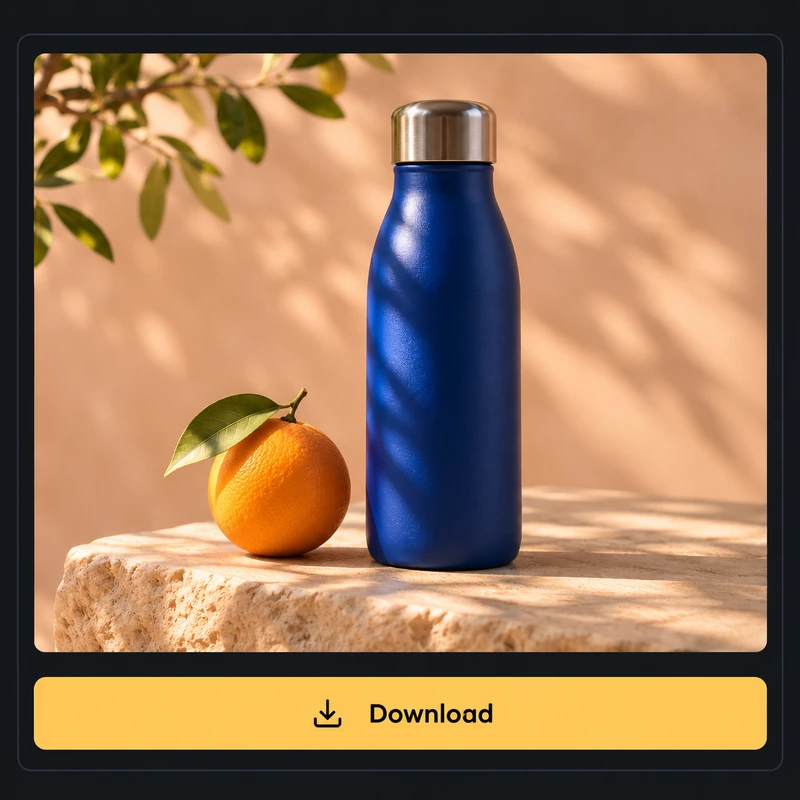
Check the available output settings and credit estimate before generating. Review the composition, small details and any lettering in the result. Keep the version that fits your brief, then open it in the workspace or My Creations to download it.
Explore image creation with GPT Image 2.6
Good image-making starts with a clear direction. Prepare a visual brief, make room for the words, plan a focused revision or take the idea into a new style.
Turn the idea into a visual brief
Go beyond naming an object. Describe how it sits in the frame, what surrounds it and where the light comes from. A bottle on rough stone tells a different story from the same bottle on polished glass. Those small choices give a product image, cover or campaign concept a point of view.
Create with GPT Image 2.6Give the words a place in the picture
Plan the headline before filling the frame. Supply the exact wording, explain which line should lead and leave space around it. For posters and social graphics, describe the relationship between the lettering and the main image. Check spelling, dates and small print in every finished design.
Create with GPT Image 2.6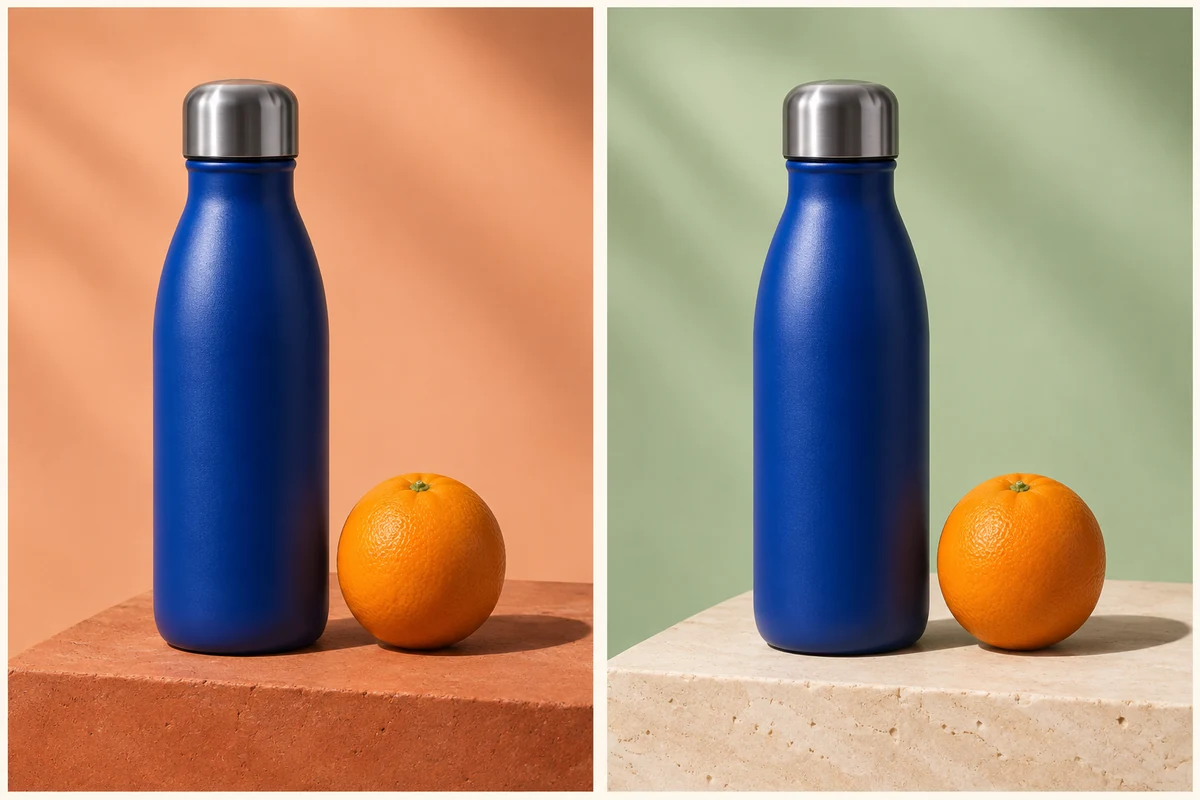
Revise the scene with a clear purpose
A useful revision has a reason. Try a quieter backdrop, a different surface or a new color direction while identifying the details you want to keep. Work from the same source image for each revision, then compare the full frame. Even a small requested change deserves a look at the whole result.
Create with GPT Image 2.6Explore a different visual language
The same idea can become a photograph, a paper-built miniature or a flat graphic illustration. Name the materials, palette and mood you want, rather than asking for a style in isolation. A blue door, warm window and textured paper can give a small bookshop a whole world of its own.
Create with GPT Image 2.6Compare GPT Image 2.6 with other models
A useful comparison comes from the task you actually need to finish. Use the same brief and source materials to compare GPT Image 2.6 with the other image models in your workspace.
Keep the brief the same
Use identical wording, reference images and a comparable image shape. Check the requested objects, positions and lettering before judging the overall look.
Try a real revision
Ask each model to make the same small change. Compare the requested edit and the details around it, including shapes, lighting and text.
Look at the finished workflow
Compare the available output settings, credit estimate and time spent refining a usable image. Choose the workflow that gets your project to a useful result.
Explore other models
Questions about GPT Image 2.6
What is GPT Image 2.6?
GPT Image 2.6 is part of the GPT Image family of image models. Use a clear visual brief to guide the subject, composition, lighting and style of your image, from product photography and graphic layouts to illustrations and revisions.
What kinds of images can I create?
Explore product compositions, posters, social graphics, illustrations and revisions to existing images. Start with the message your picture should communicate and the place it will be used, then shape the composition around that purpose.
How do I write a useful image prompt?
Start with the main subject, then describe its placement, surroundings, light and visual style. Write any required lettering exactly and explain its hierarchy. For revisions, separate the changes you want from the details that should remain.
How do I describe an image edit?
Start with your source image and name the change you want. Specify the details to preserve, such as the product shape, camera angle or lighting. Keep each revision focused, then review the whole image before moving to the next change.
How should I choose the output settings?
Choose an image shape that fits its destination, such as a square social post or a wide cover. Use the output controls in the generator to set up the task, then review the credit estimate before generating. Inspect fine details and lettering at full size before downloading.
How do I compare GPT Image 2.6 with GPT Image 2.5?
Use the same prompt, reference materials and comparable output settings. Check the requested objects, composition, lettering and image edits, then compare the credit estimate and time spent refining a useful result. Choose the workflow that fits your project.
How do I check the credit cost?
Sign in to see your credit balance and the estimate for your selected settings. Review that total before submitting a task, and adjust the settings to match the budget for your project.
Where can I find my finished images?
Images generated on this platform appear in the image workspace and My Creations. Once a task has completed, open its result to inspect the image and download the file.
Create your next image with GPT Image 2.6
Start with an idea worth making. Bring your references, write a focused brief and give your next image a creative direction of its own.